PROBLEM
Posters have long been an essential medium for public communication, but in today's digital and commercialized landscape, traditional static designs struggle to capture attention. People are now accustomed to dynamic, interactive, and engaging media. In the crowded, fast-paced environment of public spaces, posters often fail to compete with the highly visual and immersive content we encounter daily.
IDEA
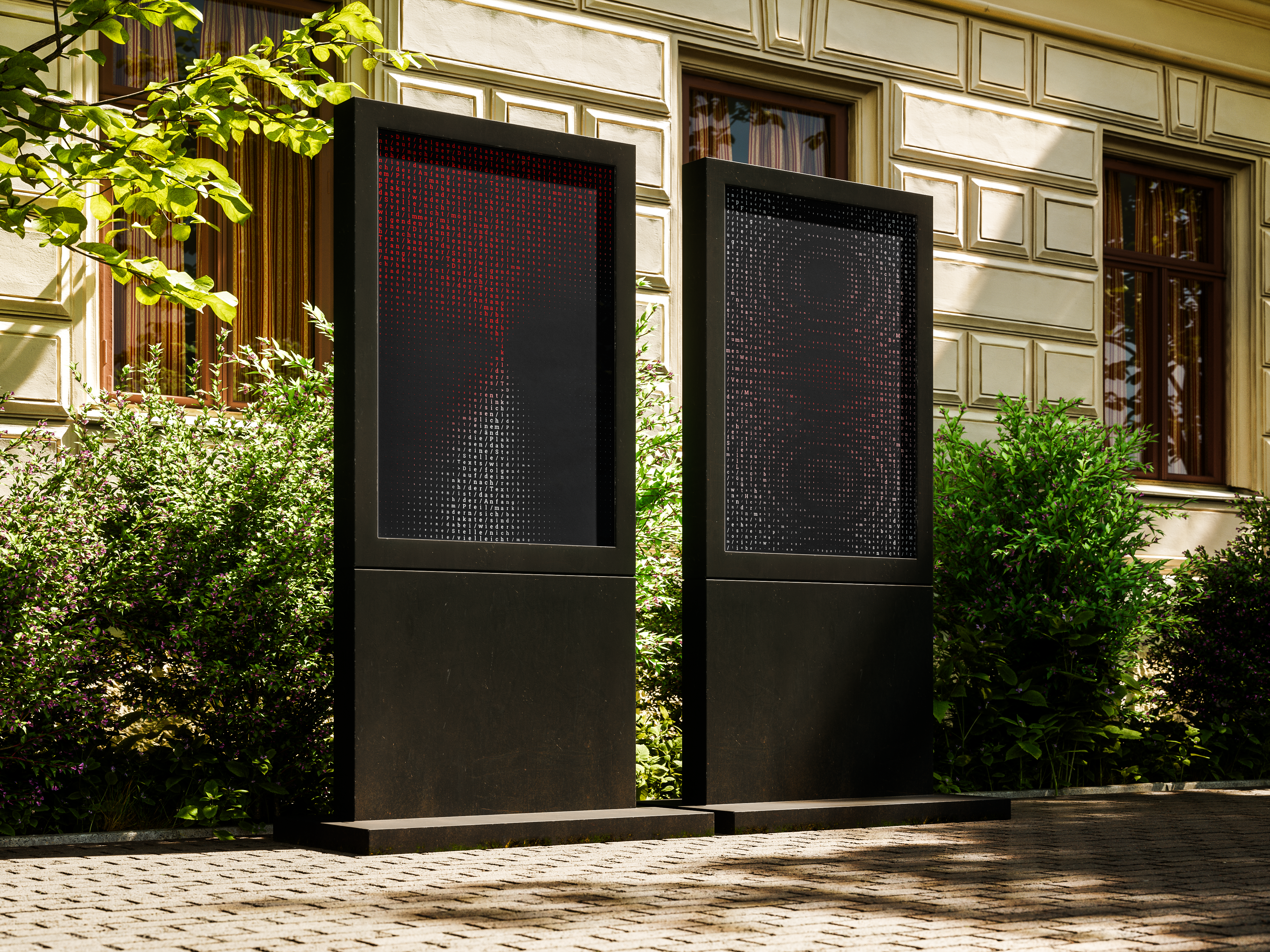
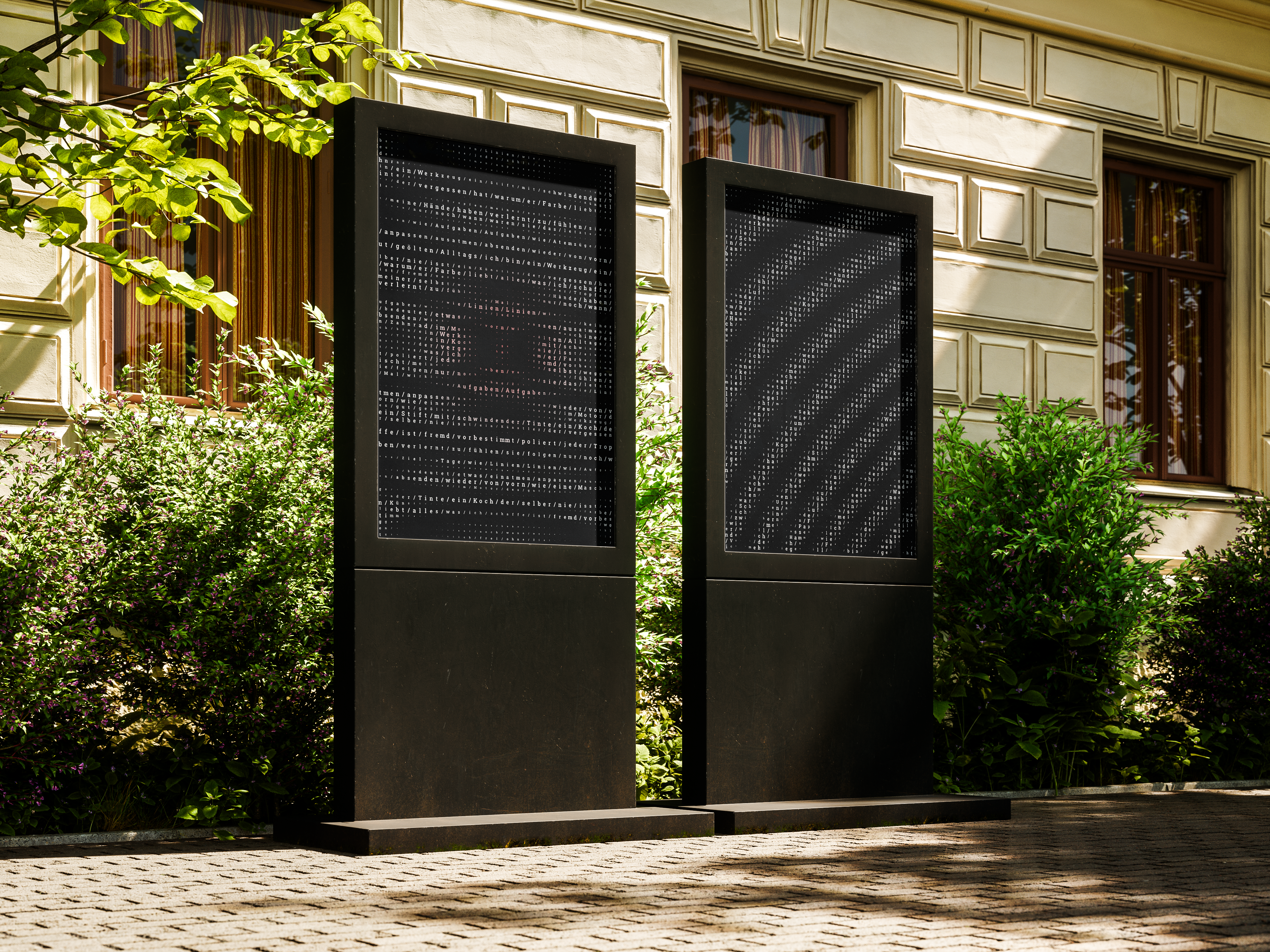
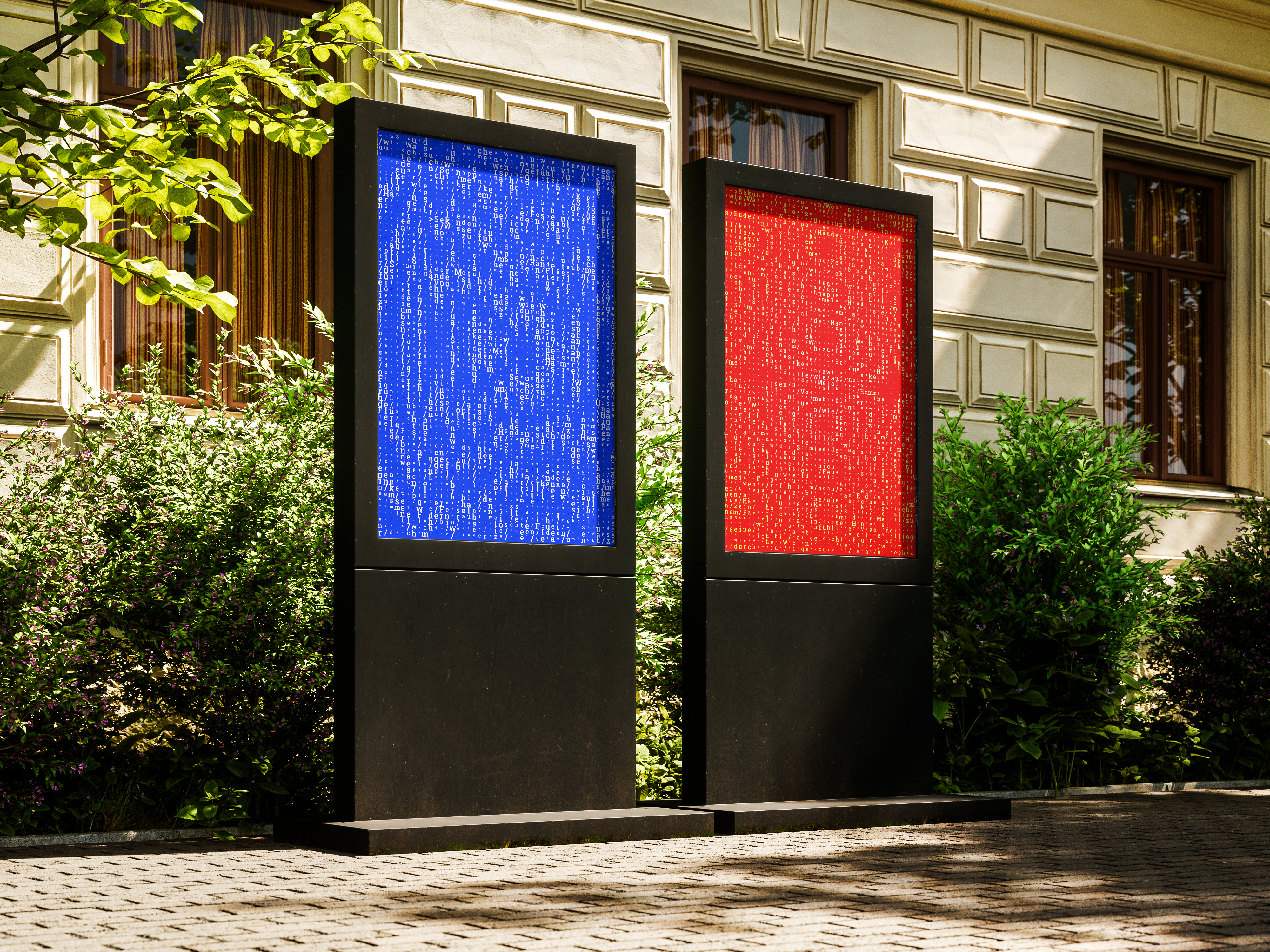
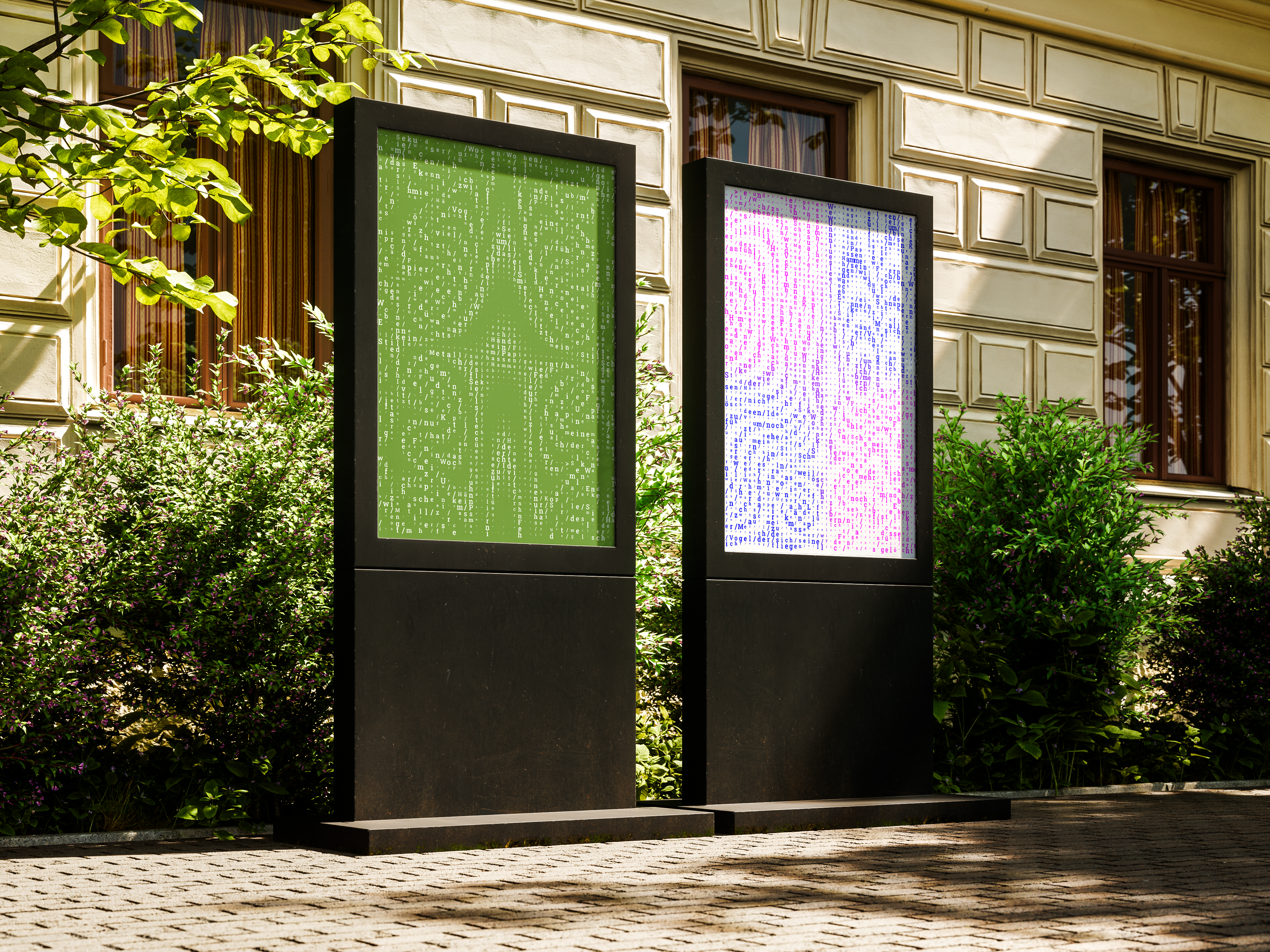
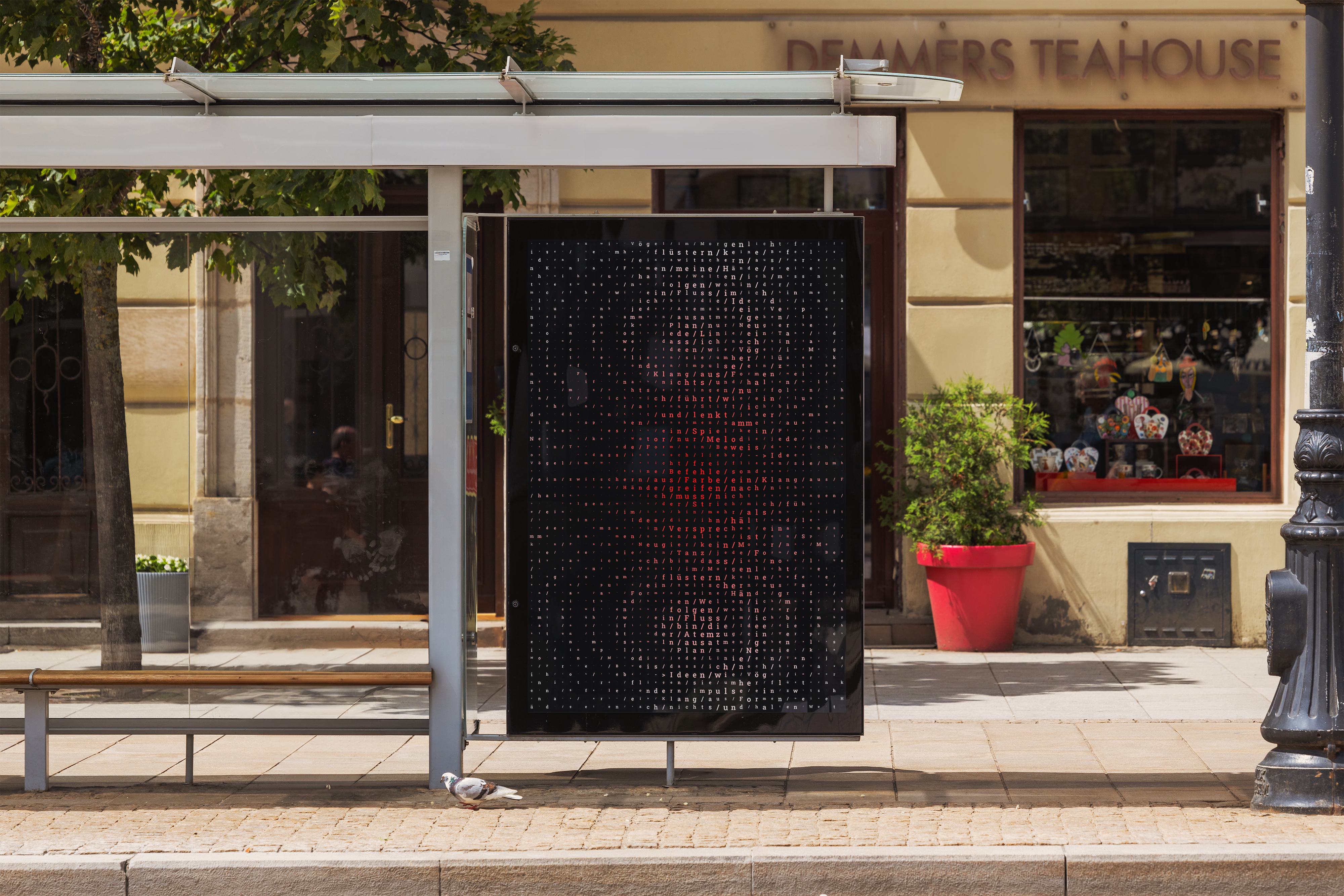
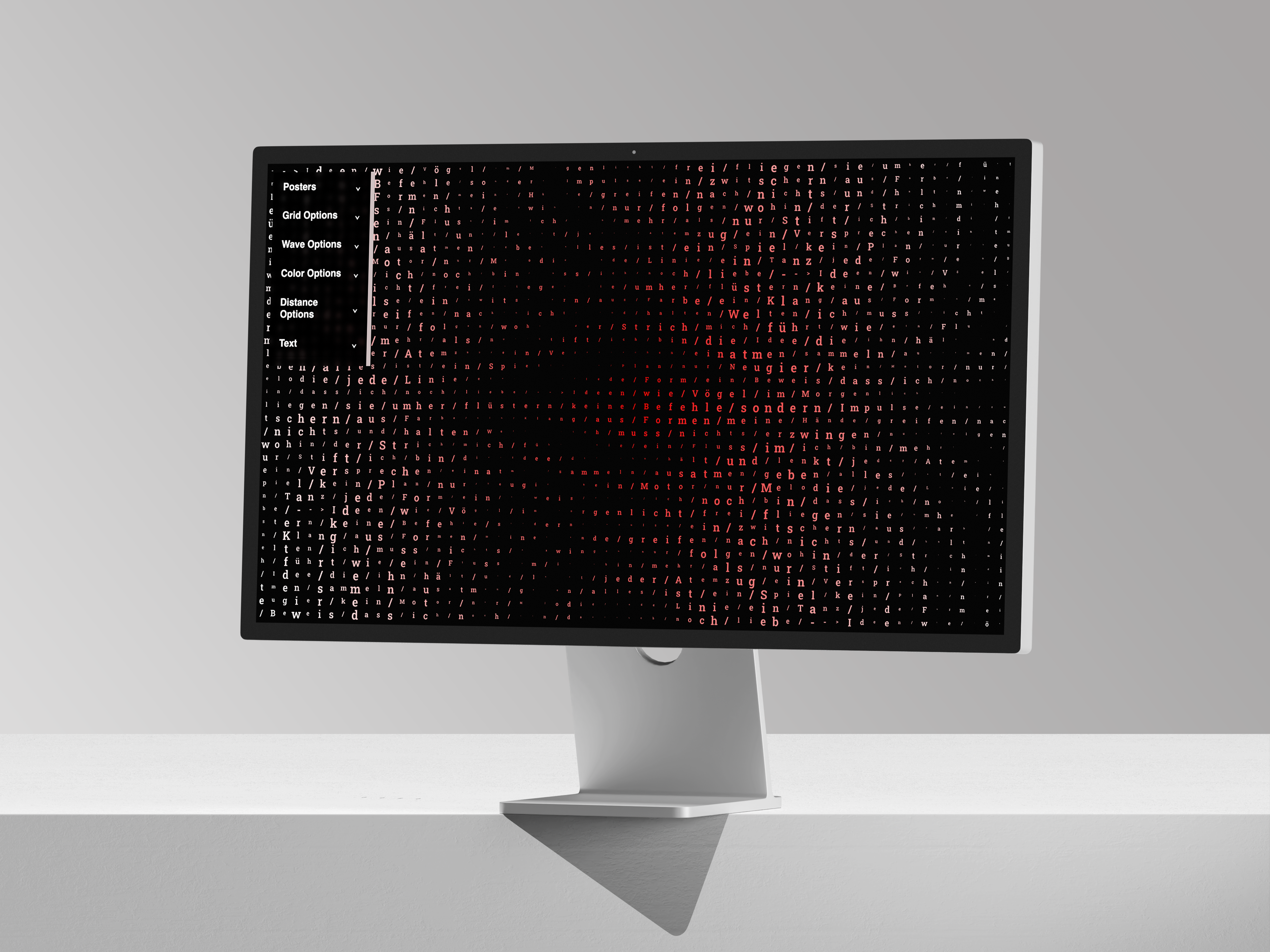
Building on this concept, a distance-based poster series was developed that combines elements of gamification and storytelling within a single visual format. The posters are designed to be explored through physical movement. By stepping closer, viewers gradually uncover a narrative centered on the experience of losing passion. This interaction transforms the act of viewing into an active process rather than a passive one. The posters function as a kind of portal into the inner thoughts and emotional world of the person experiencing this loss of passion, encouraging reflection and empathy. Based on this poster series, a web-based tool was subsequently created that allows third parties to design and create their own posters within a defined framework, enabling the core concept to be adapted to different stories and contexts.
MEASUREMENT SETUP
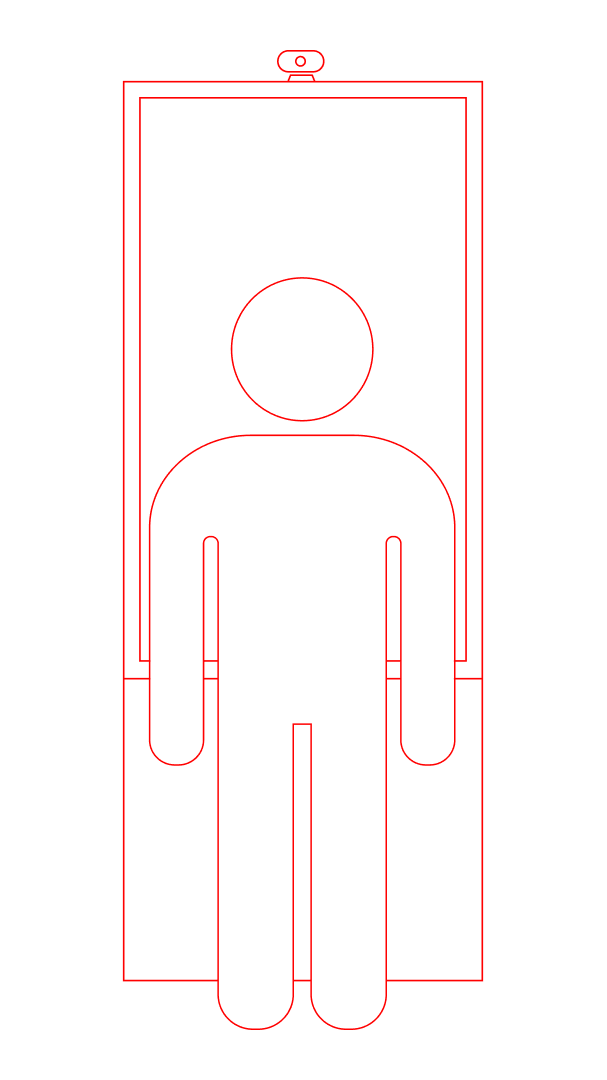
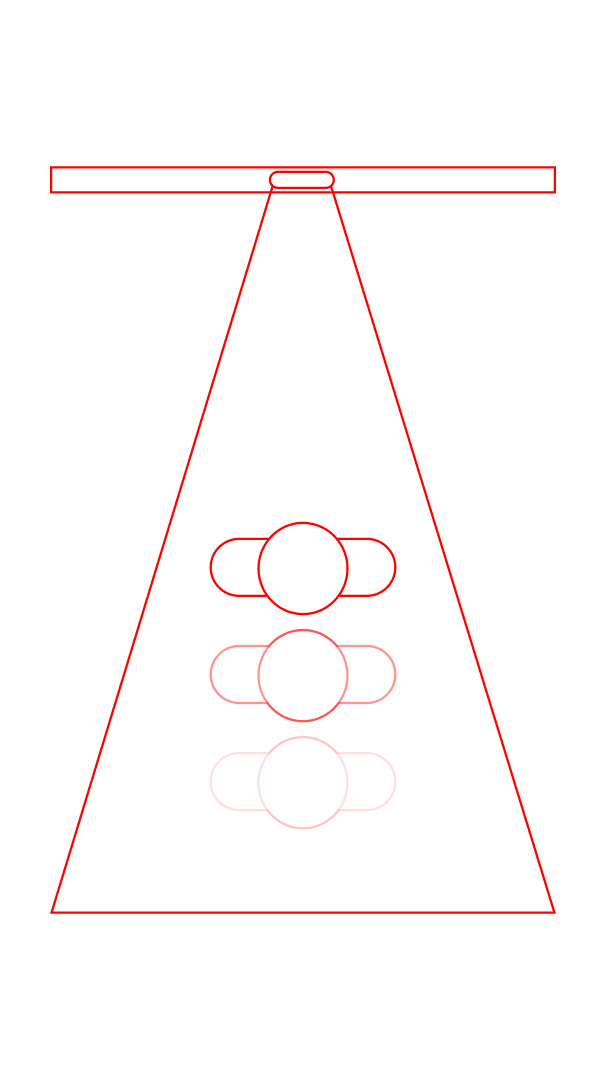
To determine a viewer's distance from the poster, a webcam was mounted on the video stele to capture the area in front of it. When a person entered the frame, MediaPipe's Pose Landmark Detection was used to estimate their distance to the camera and poster. The system tracked 32 anatomical markers (such as joints), each outputting coordinates. Distance was estimated using the eye and nose markers, since these reliably face the camera during viewing, by measuring the 2D distance between them and comparing it to average anatomical values. The larger the distance between markers, the closer the person; the smaller, the further away.

DESIGN PROCESS
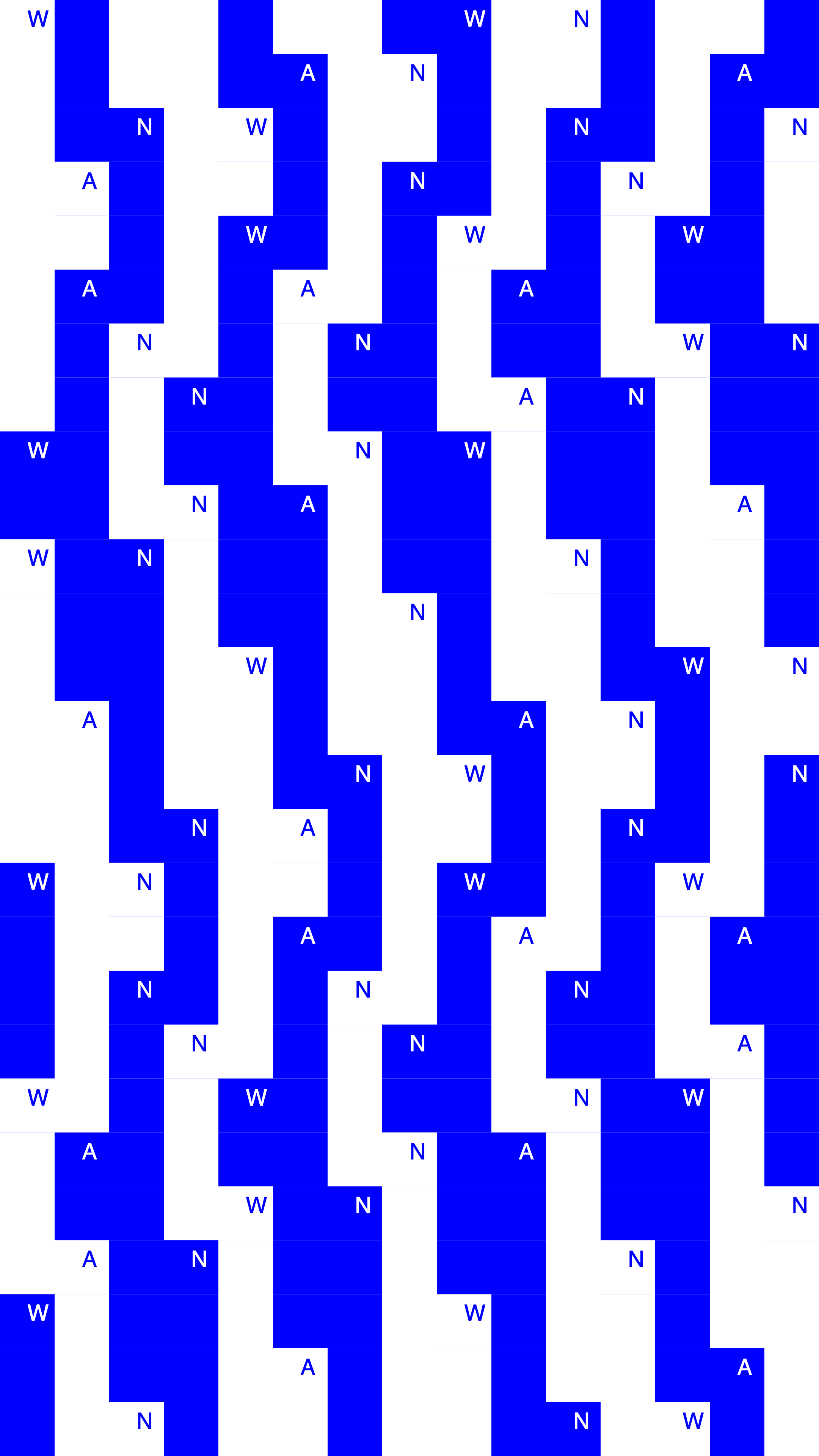
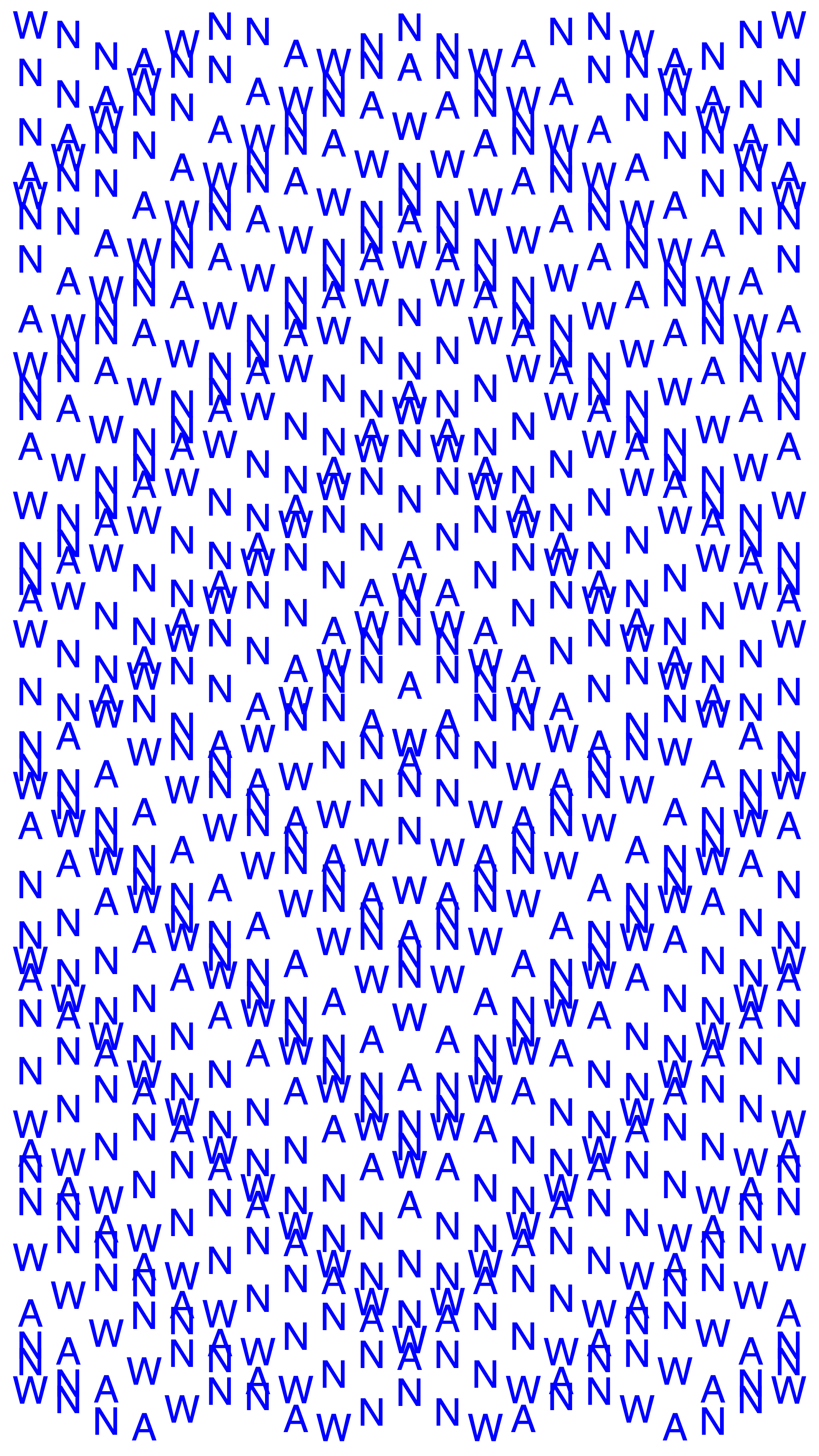
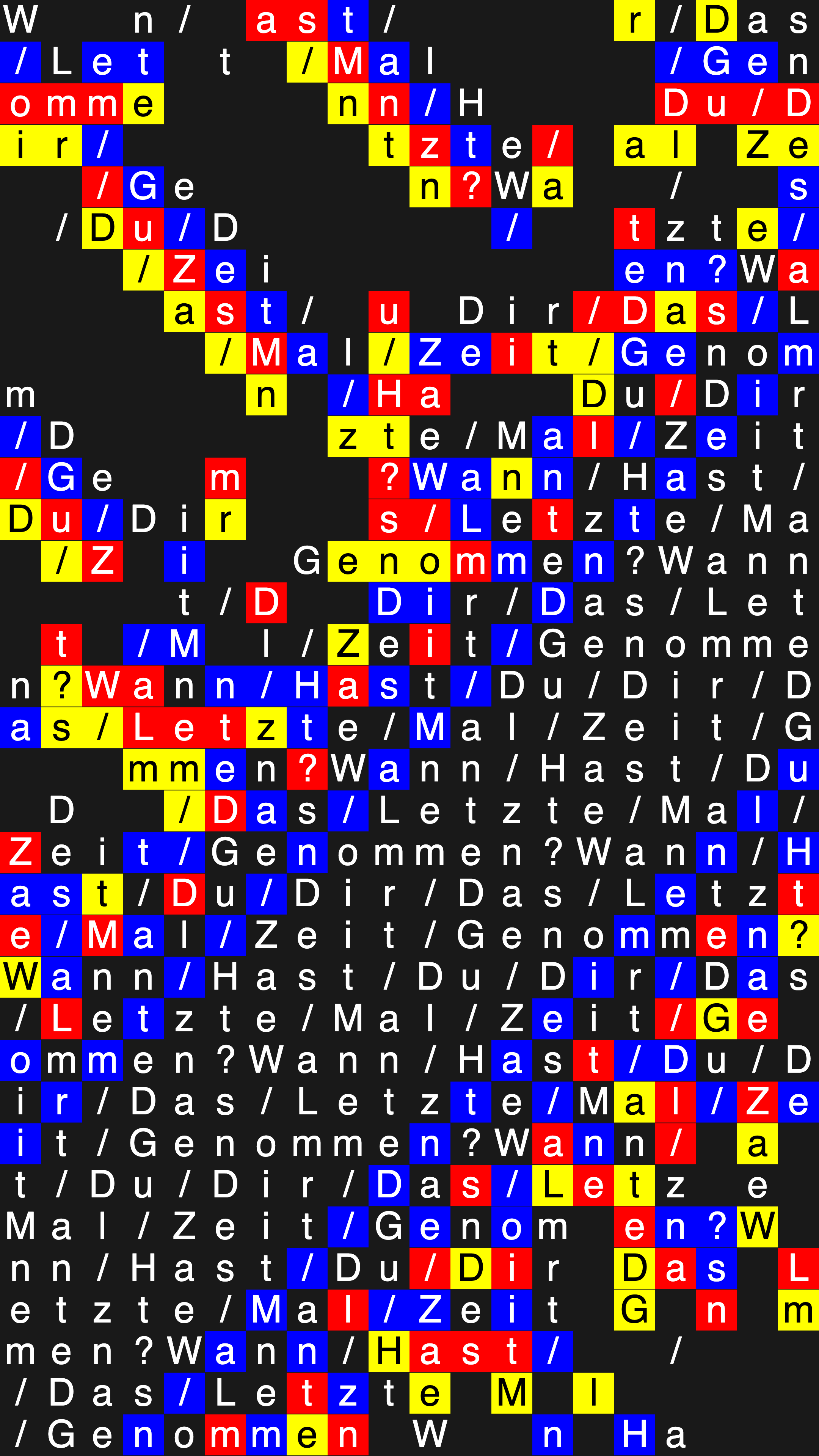
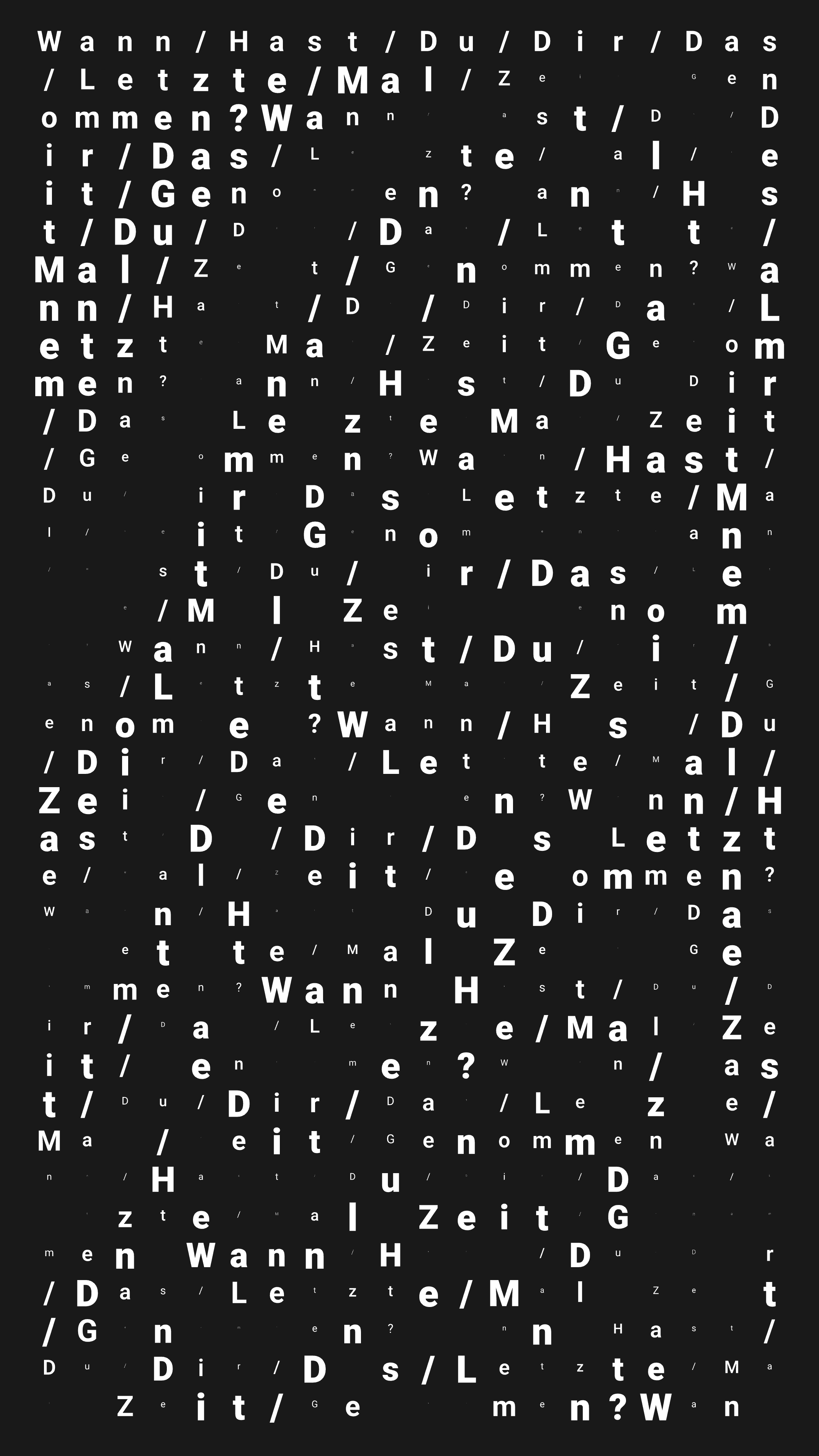
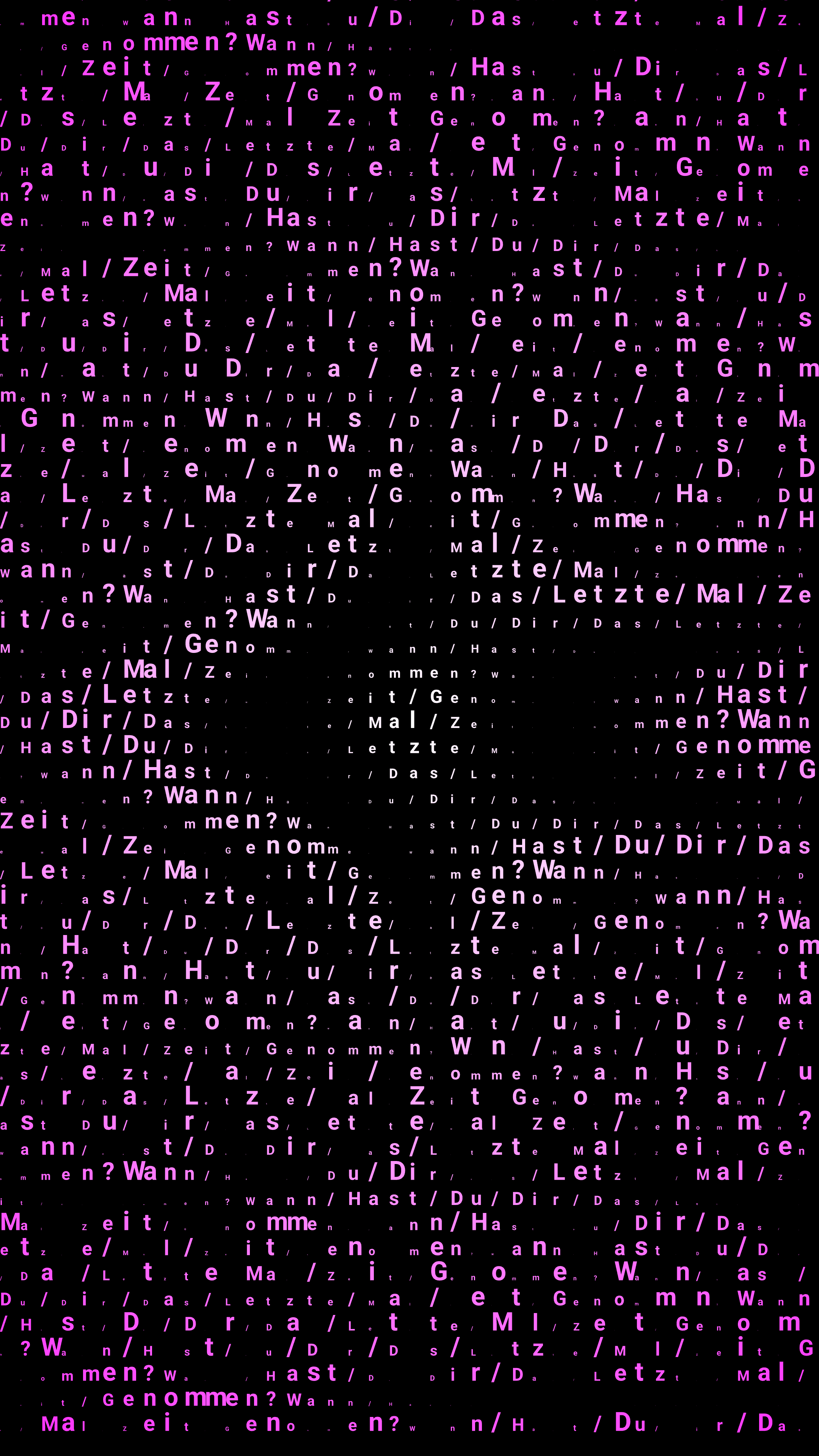
The design process was driven by constant iteration and adaptation, as there was no set end goal or scope, and aesthetics were discovered on the way, evolved, and changed constantly. Evolving from a simple single-word animation to a mirrored version with a larger, more dynamic motion. From there, the mirroring was abandoned in favor of spreading a full sentence across the poster, improving readability. Individual letters were then scaled to create a sense of depth and a portal-like effect, which was ultimately expanded through color and increasingly complex animation.
USER EVALUATION
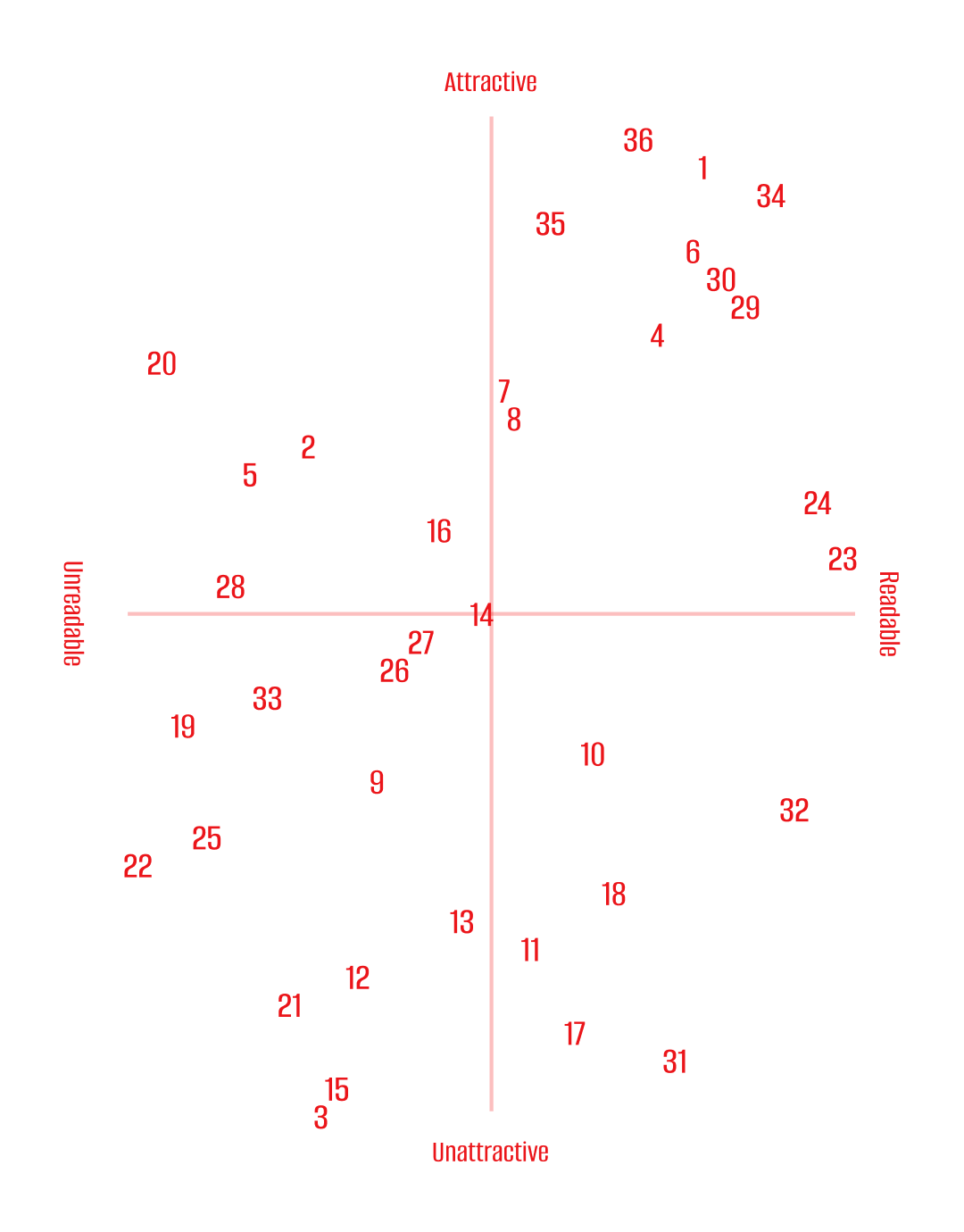
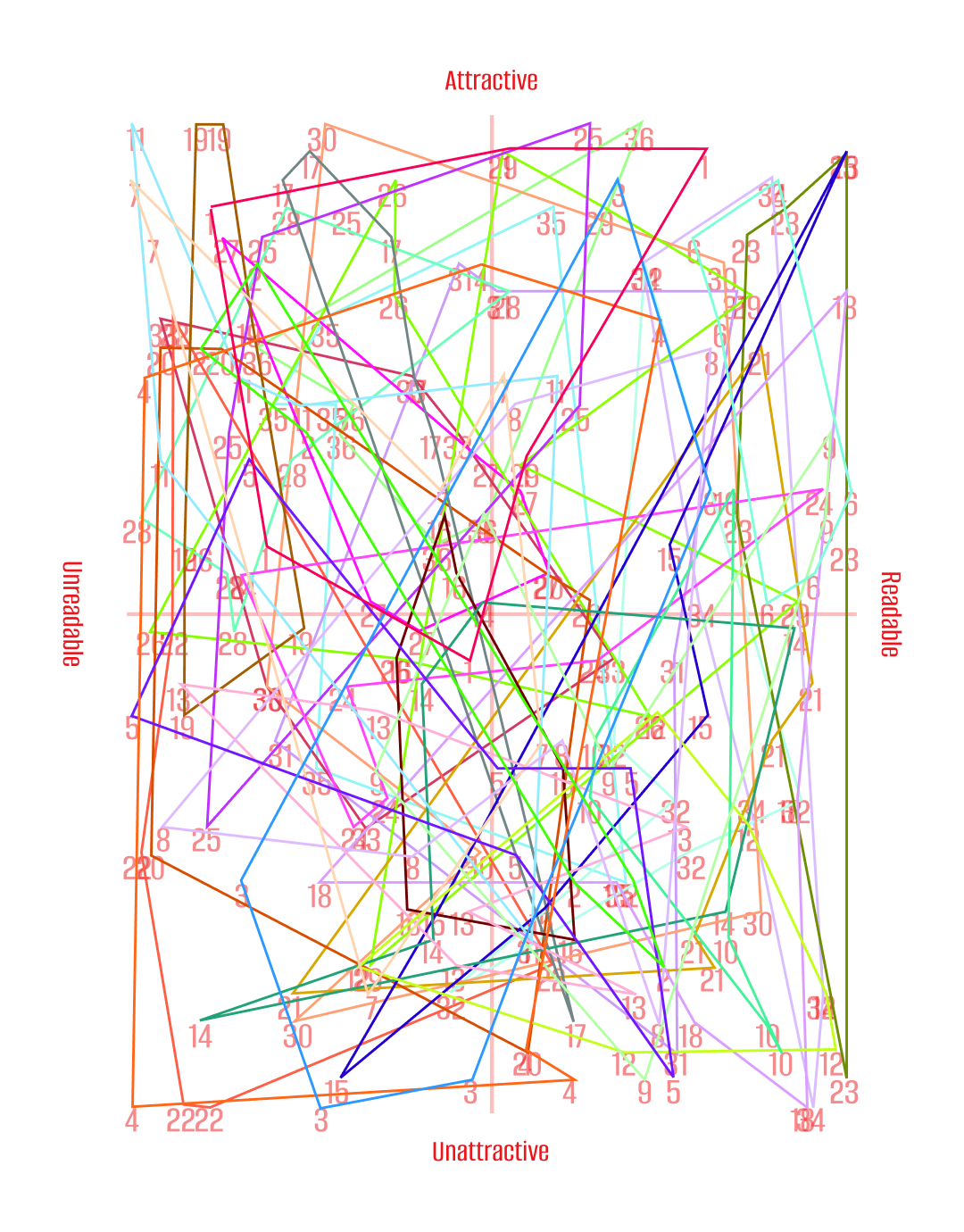
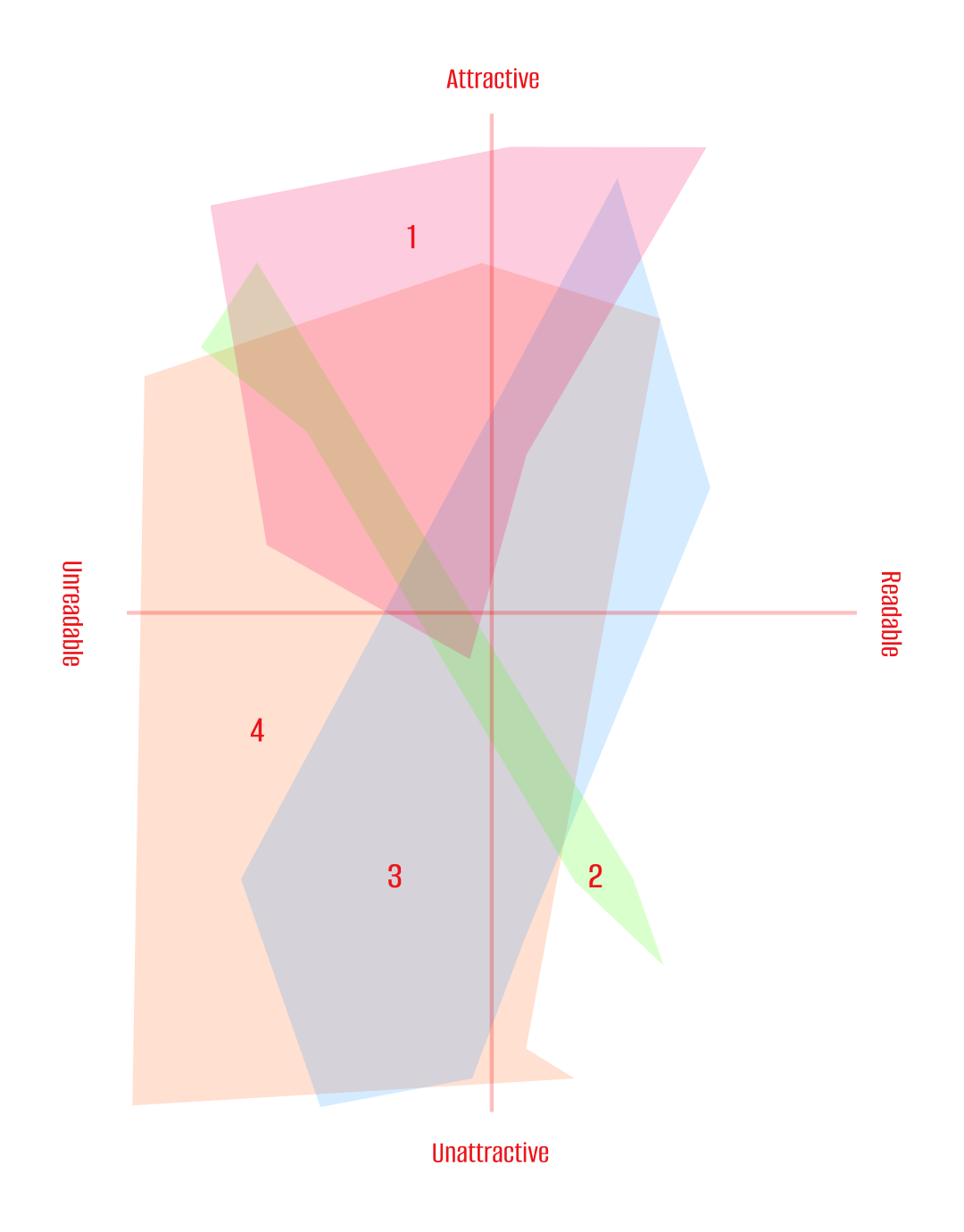
In the last stage of the iteration process, a total of 36 posters have been developed. To get a better understanding of how these posters will be perceived by the broader public, the posters have been evaluated on attractiveness and readability by a total of 6 users. Posters have been shown in different orders for different users to get better results. The results of both metrics of the users then could be incorporated into a coordinate system [1]. The coordinate systems by all users were then fused into one [2], after the results for every number were connected to get final areas [3]. The smaller the area and the more it was located in the top right of the coordinate system, the better it got perceived.